Swamp Wallabies
The Swamp Wallaby (Wallabia bicolor) is a medium-sized, stocky marsupial native to eastern Australia, ranging from southeastern South Australia through Victoria, New South Wales, and up to Queensland. It prefers habitats with dense undergrowth such as forests, woodlands, swamps, and heathlands, where it can hide during the day.
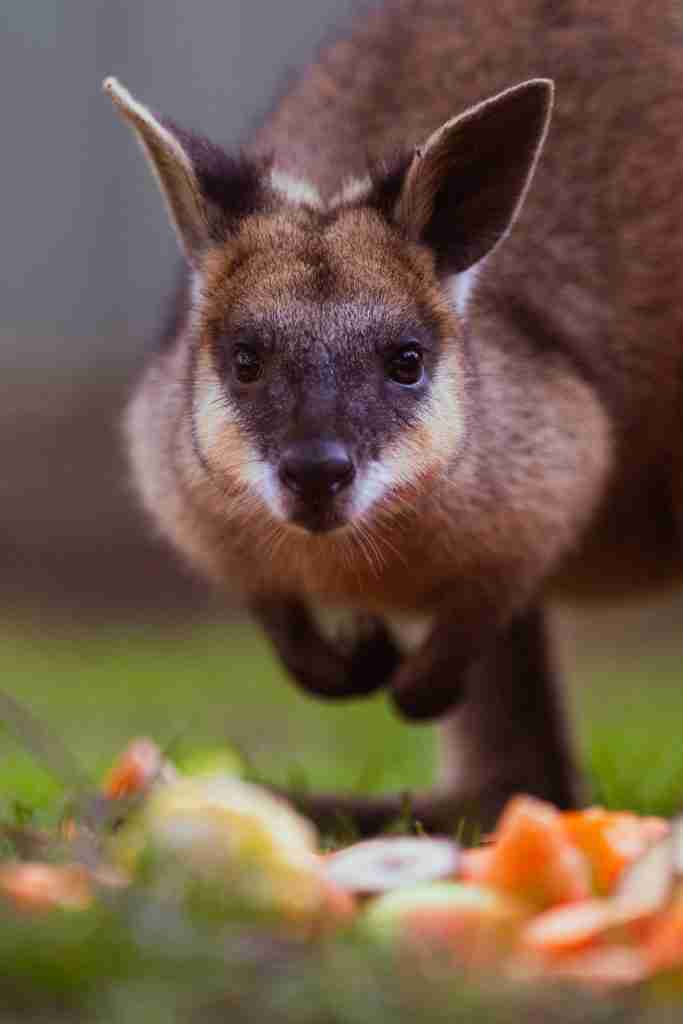
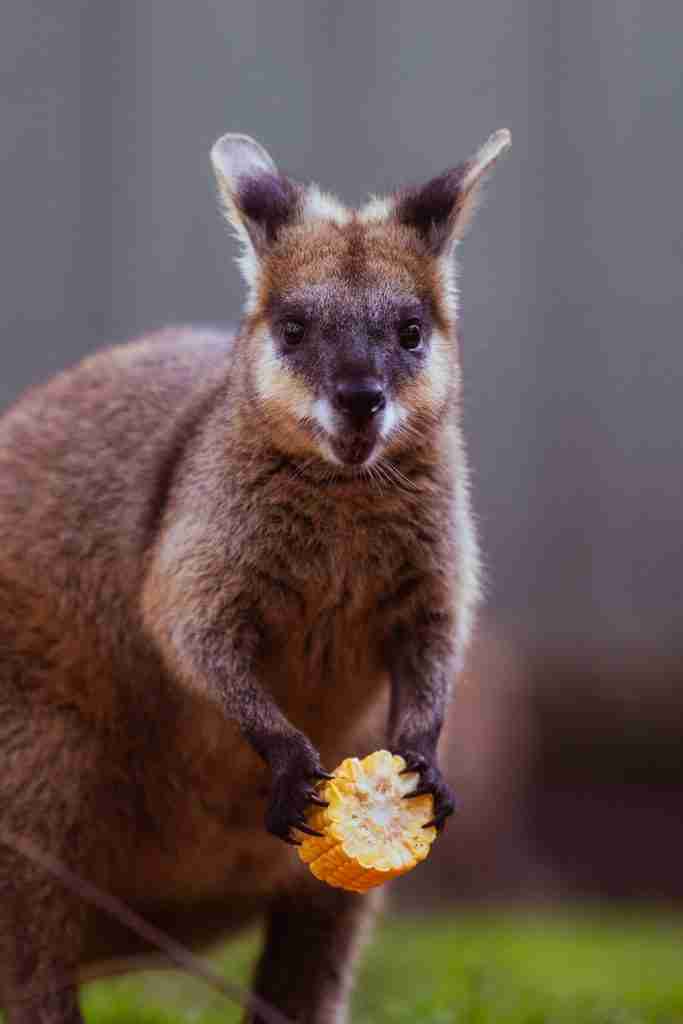
This wallaby has dark brown to black fur with rusty or yellowish patches on its belly, chest, and around the ears. Many individuals also have a pale cheek stripe. Its sturdy build and distinctive coloring make it easy to recognize.
Swamp Wallabies are mostly nocturnal and crepuscular, meaning they are active during the night and at dawn or dusk. They usually live solitary lives but may gather loosely where food is abundant. Their diet consists of a variety of shrubs, ferns, leaves, grasses, and sometimes plants toxic to other animals, like bracken and lantana. Their digestive system and unique teeth are adapted to handle tough, fibrous vegetation.
Breeding occurs year-round without a strict season. After a gestation period of approximately 33 to 38 days, the female gives birth to a single tiny joey. The joey crawls into the mother’s pouch where it remains for about 8 to 9 months, continuing to suckle and stay close to the mother for up to 15 months before becoming fully independent. Females can have overlapping pregnancies due to embryonic diapause, allowing them to time births according to environmental conditions.
Swamp Wallabies live up to around 12 to 15 years in the wild. While currently listed as a species of Least Concern, they face threats from habitat loss, road accidents, predation by introduced species, and human disturbance. They play an important ecological role by shaping understorey vegetation and dispersing seeds and fungal spores through their droppings.