Squirrel Gliders
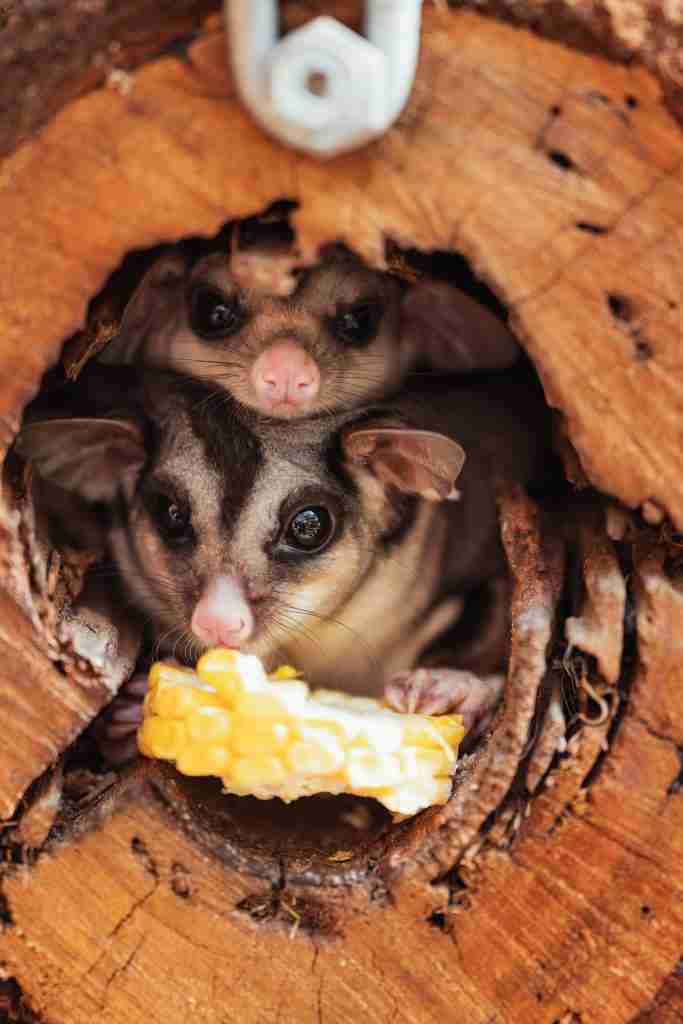
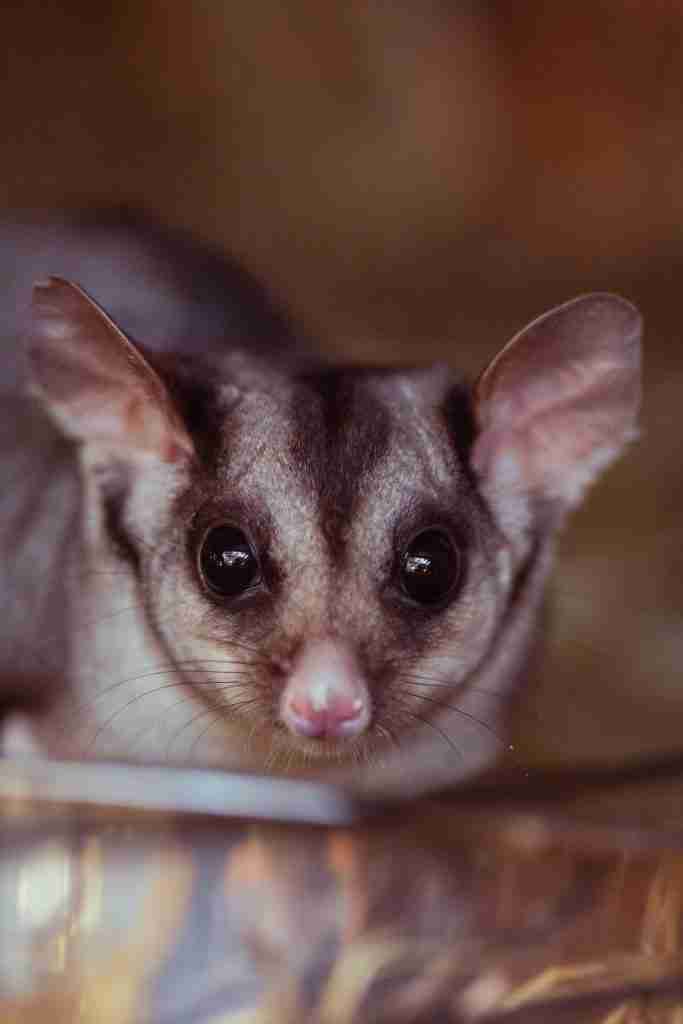
The Squirrel Glider (Petaurus norfolcensis) is a small, nocturnal marsupial native to eastern Australia, living mainly in eucalyptus woodlands, open forests, and rainforests. It gets its name from its soft, squirrel-like fur and its unique ability to glide between trees using a thin membrane called the patagium, which stretches from its wrists to its ankles.
These agile animals are social and often live in family groups within tree hollows. Their diet is varied and omnivorous, consisting mainly of nectar, pollen, tree sap, insects, and other small invertebrates.
Squirrel Gliders are most active at night, gliding efficiently through the forest canopy to forage. They typically breed once or twice a year. After a short gestation of about 16 to 17 days, females give birth to one or two tiny joeys that continue developing inside the pouch for 70 to 80 days before emerging.
Although currently not endangered, Squirrel Gliders face threats from habitat loss, fragmentation, and predation by introduced species such as cats and foxes. Conservation efforts focus on protecting and restoring woodland habitats, maintaining forest connectivity to support their gliding lifestyle, and controlling invasive predators.